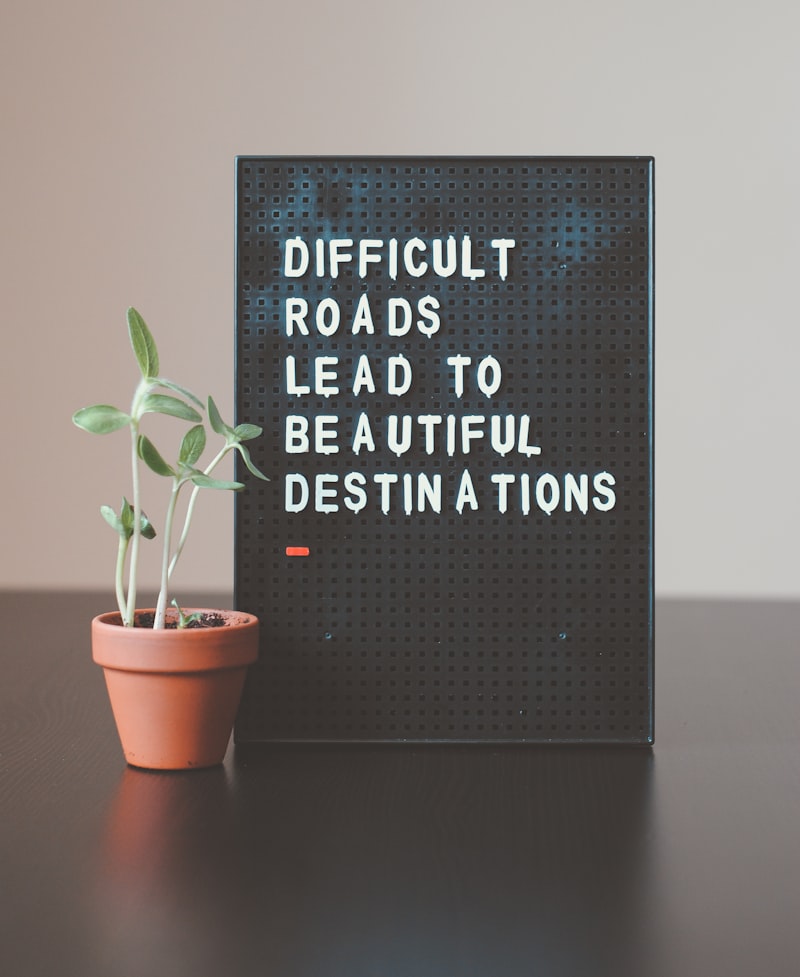
You find your purpose by identifying your values, what you are good at, what the world needs, and testing small meaningful goals. Purpose grows from action and reflection, not from waiting for a perfect answer.
Finding your purpose in life is one of the most profound and transformative journeys a human being can undertake. In a world filled with noise, distraction, social media comparison, and relentless pressure to succeed, millions of people wake up every day feeling lost, unfulfilled, and disconnected from what truly matters. They go through the motions of daily life — working, eating, sleeping, repeating — without ever pausing to ask the most important question of all: Why am I here? What is my purpose? What does a truly meaningful life look like for me?
If you have ever asked yourself these questions, you are not alone. According to research in positive psychology and existential philosophy, the search for life purpose and personal meaning is one of the most universal and deeply human experiences. And here is the extraordinary truth: discovering your purpose is not a luxury reserved for the privileged few. It is a fundamental human need — and it is available to every single person who is willing to look within, embrace the journey, and commit to living authentically.
In this comprehensive, SEO-optimized guide, we will explore what purpose truly means, why it matters for your health and happiness, and give you 12 powerful, science-backed strategies to discover your unique life purpose and start living with passion, intention, and joy. Whether you are 18 or 80, just starting out or starting over, this guide is for you.
What Does It Mean to Have a Life Purpose?
Life purpose can be defined as a central, self-organizing aim that motivates and directs your life. It is the "why" behind everything you do — the deep-seated reason that gets you out of bed in the morning, sustains you through hardship, and gives your everyday actions a sense of significance and direction. Purpose is not the same as a goal. Goals are destinations; purpose is the compass that guides you to every destination that truly matters.
Purpose is also intimately connected to your core values, your unique strengths and talents, and the difference you want to make in the lives of others and in the world around you. Japanese culture has a beautiful concept for this called Ikigai — which translates roughly to "reason for being." Ikigai lies at the intersection of four powerful forces: what you love, what you are good at, what the world needs, and what you can be rewarded for. When all four of these elements align, you have found your purpose — your Ikigai — and your life transforms in ways you could not have imagined.
Why Finding Your Purpose in Life Matters: The Science of Meaningful Living
The benefits of living with a clear sense of purpose are not merely philosophical or spiritual — they are deeply practical, measurable, and scientifically documented. Research from leading universities, neuroscience labs, and positive psychology institutes around the world consistently shows that people with a strong sense of life purpose enjoy dramatically better outcomes across virtually every dimension of well-being:
- Better physical health: A landmark study published in the journal Psychological Science found that people with a strong sense of purpose live longer and have significantly lower rates of heart disease, stroke, and chronic illness. Purpose literally keeps you healthy.
- Greater mental health and emotional resilience: People who know their purpose report lower rates of depression, anxiety, and stress. They bounce back faster from adversity because they have a reason to keep going.
- Higher levels of happiness and life satisfaction: Purpose is one of the strongest predictors of subjective well-being. Research by Martin Seligman, the father of positive psychology, shows that meaning is one of the five core pillars of a flourishing, happy life.
- Improved cognitive function: Studies show that a sense of purpose protects against cognitive decline and reduces the risk of Alzheimer's disease and dementia in older adults.
- Stronger relationships and social connections: People living with purpose tend to be more generous, empathetic, and engaged with others — qualities that naturally attract and deepen meaningful relationships.
- Greater professional success and financial abundance: When your work aligns with your purpose, motivation, creativity, and performance all increase dramatically. Purpose-driven professionals consistently outperform those who work purely for money.

Finding your purpose begins with a single brave step toward self-discovery and authentic living.
12 Powerful Strategies to Discover Your Life Purpose and Live with Passion
Now that we understand the profound importance of living with purpose, let us explore the most effective, science-backed strategies to help you discover your unique life purpose. These are not theoretical concepts — they are practical, actionable steps that you can begin implementing in your life today.
1. Reconnect with Your Childhood Dreams and Natural Gifts
One of the most powerful pathways to discovering your life purpose is to revisit the dreams, passions, and activities that lit you up as a child — before the world told you what you should be, what you should want, and what you should do with your life. Children naturally express their authentic selves without filters, judgment, or fear. What did you love doing as a child? What activities made time disappear? What did you dream about becoming? These early clues often point directly toward your deepest purpose.
Also pay attention to your natural gifts and talents — the things that come easily and joyfully to you that others struggle with. Your greatest gifts are often so natural that you undervalue them. But these innate strengths, when applied in service of others and the world, are often the very heart of your purpose. Take time to journal about your childhood passions, your natural gifts, and the activities that give you a deep sense of meaning and aliveness. The answers you discover may surprise you.
2. Identify Your Core Values and Live by Them
Core values are the fundamental principles and beliefs that define who you are and how you choose to live. They are the non-negotiable truths at the center of your identity — the things you would stand for even if it cost you something significant. Values like integrity, compassion, creativity, adventure, family, freedom, justice, growth, and service all represent different ways of being in the world that resonate differently with different people.
Living in alignment with your core values is essential to experiencing a sense of purpose and inner fulfillment. When your daily actions, relationships, and choices align with what you value most deeply, you feel whole, energized, and at peace. When they conflict with your values, you feel fragmented, anxious, and empty. Take time to identify your top five to ten core values. Write them down. Then examine how well your current life reflects those values — and begin making changes to close the gap.
3. Follow Your Curiosity and Explore Your Passions
Author Elizabeth Gilbert, in her landmark book Big Magic, beautifully argues that curiosity is often a more reliable guide to purpose than passion. Many people wait for a dramatic "lightning bolt" moment of inspiration that reveals their purpose in a flash. But for most people, purpose is discovered gradually through consistent curiosity and exploration — by following what interests them, experimenting with new experiences, and paying attention to what energizes and excites them.
Make a commitment to follow your curiosity without judgment or expectation. Try new things. Take classes in subjects that intrigue you. Read books in domains that spark your interest. Have conversations with people who are living in ways you admire. Keep a curiosity journal where you note what captures your attention and imagination. Over time, patterns will emerge that reveal the direction of your deepest purpose and most authentic self.
4. Ask Yourself the Deep Questions — and Actually Listen
Discovering your life purpose requires deep, honest self-reflection. Most people spend their entire lives avoiding this kind of inward examination because it can be uncomfortable, challenging, and even frightening. But the answers to your deepest questions about purpose, meaning, and identity are already within you, waiting to be discovered. Here are some of the most powerful questions for purpose discovery:
- What would I do with my life if money were no object?
- What problems in the world make me angry or break my heart? (Your deepest outrage often points to your deepest purpose.)
- What do I want my legacy to be? How do I want to be remembered?
- When do I feel most alive, most energized, most fully myself?
- What unique contribution can I — and only I — make to the world?
- If I had only one year to live, how would I spend my time?
- What would I regret NOT doing or becoming on my deathbed?
Set aside quiet, uninterrupted time to sit with these questions. Journal your responses honestly and without censoring yourself. Read them back. Notice what emotions arise. Your purpose is often hiding in plain sight, just beneath the surface of your conscious awareness.
5. Embrace Silence, Solitude, and Mindfulness
In our hyper-connected, always-on digital culture, silence has become one of the rarest and most precious commodities in human life. Yet it is in silence and solitude that we hear the still, small voice of our deepest self — the voice of intuition, wisdom, and purpose that is so easily drowned out by the noise of notifications, opinions, deadlines, and distractions.
Mindfulness meditation is one of the most powerful practices for connecting with your inner life and accessing the clarity you need to discover your purpose. When you sit in stillness, observe your breath, and quiet the incessant chatter of the thinking mind, you create space for genuine self-awareness and insight to arise. Research consistently shows that mindfulness practice increases self-knowledge, emotional intelligence, creativity, and the ability to access your deepest values and aspirations — all essential ingredients for purpose discovery.
6. Serve Others and Practice Contribution
One of the most consistent findings in the psychology of purpose is that meaning is almost always found in service to something greater than ourselves. When you focus exclusively on your own needs, desires, and happiness, fulfillment often remains elusive. But when you direct your energy, talents, and attention toward making a positive difference in the lives of others — your family, your community, your profession, your world — purpose tends to emerge naturally and powerfully.
This does not mean you must sacrifice yourself or become a martyr. Rather, it means recognizing that your deepest purpose is almost certainly connected to the ways in which your unique gifts, passions, and experiences can serve and uplift others. Volunteer for a cause that moves you. Mentor someone who is where you once were. Use your skills to solve problems that matter to people you care about. As you practice contribution, your sense of purpose will deepen and clarify.

Living with purpose means serving others with the unique gifts and talents only you possess.
7. Learn from Your Pain and Transform Your Story
Some of the most powerful purposes in human history have emerged directly from suffering, loss, and adversity. The parent who loses a child to a preventable disease and becomes an advocate for medical research. The survivor of abuse who becomes a counselor and safe harbor for others. The person who overcomes addiction and dedicates their life to helping others recover. As Viktor Frankl wrote in Man's Search for Meaning, suffering itself is not the source of meaning — but our choice to find meaning in our suffering is one of the most profound acts of human freedom and courage.
Your pain, your struggles, your darkest chapters — these are not obstacles to your purpose. They are often the raw material from which your most powerful purpose is forged. Ask yourself: What have I been through that could help someone else? What wisdom have I gained through my hardest experiences? How can the story of my suffering become a story of redemption, service, and purpose?
8. Spend Time with Purpose-Driven People
You are profoundly influenced by the people you spend the most time with. If you surround yourself with people who are living purposefully, pursuing meaningful work, and committed to making a positive difference in the world, their energy, values, and perspective will inevitably influence and inspire your own journey. On the other hand, spending time with people who are cynical, directionless, or deeply unhappy can subtly undermine your own sense of possibility and purpose.
Seek out purposeful, passionate, growth-oriented people. Attend events, workshops, and communities centered around your interests and values. Find mentors who are living in ways that inspire you. Read biographies of people whose purpose-driven lives you admire. As you immerse yourself in environments of purpose, your own clarity and motivation will naturally increase.
9. Embrace Failure and Keep Moving Forward
Fear of failure is one of the most common and most devastating obstacles to living with purpose. Many people never pursue what truly matters to them because they are afraid of getting it wrong, looking foolish, or not being good enough. But here is a fundamental truth that every purposeful life requires you to internalize: failure is not the enemy of purpose — it is the teacher of purpose.
Every person who has ever lived a meaningful, passionate, purpose-driven life has failed — often spectacularly and repeatedly. Oprah Winfrey was fired from her first television job. J.K. Rowling was a single mother on welfare before Harry Potter. Nelson Mandela spent 27 years in prison before leading his nation to freedom. Their failures did not stop them because their purpose was stronger than their fear. Develop the same relationship with failure. Let it teach you, strengthen you, and refine you. Then keep moving forward.
10. Create a Personal Mission Statement
A personal mission statement is a concise, powerful declaration of who you are, what you value most, and the contribution you are committed to making in the world. Writing a personal mission statement is one of the most clarifying and energizing exercises in purpose discovery. It forces you to crystallize your values, your vision, and your deepest commitments into clear, inspiring language that you can return to whenever you feel lost or uncertain.
Your personal mission statement does not need to be perfect or permanent. It can evolve as you grow. But having a written statement of your purpose gives you a north star to navigate by — a clear sense of direction that guides your decisions, priorities, and daily actions. Take time to draft your personal mission statement. Share it with people you trust. Revise it as your understanding of your purpose deepens.
11. Take Purposeful Action — Start Before You Are Ready
Here is perhaps the most important insight in this entire guide: purpose is not found through thinking alone — it is discovered and deepened through action. Many people believe they need to figure out their purpose completely before they can begin living it. But this gets the process exactly backwards. Clarity about purpose comes through engagement with life — through trying things, making mistakes, discovering what resonates and what does not, and gradually moving toward greater alignment between your values, your gifts, and your contribution.
Do not wait until you feel completely ready, completely clear, or completely confident. Start where you are. Use what you have. Take one small, purposeful step today in the direction of your deepest values and highest aspirations. Then take another step. And another. Over time, these small steps accumulate into a life of remarkable depth, beauty, and meaning.
12. Practice Gratitude and Appreciate the Journey
Gratitude is the foundation of a meaningful life. When you cultivate the practice of gratitude — genuinely appreciating the gifts, opportunities, relationships, and experiences that make up your life — you shift from a mindset of lack and dissatisfaction to one of abundance and appreciation. This shift is essential for living with purpose, because purpose is not just about striving toward a future destination. It is about recognizing and honoring the meaning that is already present in your life, right here and right now.
Keep a daily gratitude journal. Begin and end each day by naming three to five things you are genuinely grateful for. Express appreciation to the people who matter most to you. Slow down and savor the small moments of beauty, connection, and joy that fill your days. As your gratitude practice deepens, you will find that your sense of purpose becomes clearer, richer, and more stable — not dependent on external circumstances, but rooted in the unchanging ground of your own authentic values and being.

Gratitude and purpose together create a life of extraordinary richness, joy, and fulfillment.
Living with Passion: How to Align Your Daily Life with Your Purpose
Discovering your purpose is a profound achievement. But the real work — and the real reward — lies in aligning your daily life with that purpose. Here is how to make purpose-driven living a consistent reality rather than an occasional inspiration:
Design Your Days Around What Matters Most
Most people design their days around urgency rather than importance — responding to emails, attending meetings, and handling tasks that feel pressing but rarely align with their deepest values and highest purpose. Purpose-driven people invert this pattern. They begin each day by intentionally connecting with their purpose — through morning journaling, meditation, reading, or simply sitting quietly with their values and intentions. They then design their schedules to prioritize the activities and relationships that most directly serve their purpose, protecting that time fiercely from the inevitable demands of less important things.
Make Purpose-Aligned Career Choices
We spend a significant portion of our waking lives working. When our work aligns with our purpose, those hours become a source of deep satisfaction, engagement, and meaning. When they do not, they become a drain on our energy, creativity, and spirit. If your current career does not align with your purpose, consider what steps you might take — gradually and responsibly — to move toward work that does. This might mean upskilling, entrepreneurship, career pivoting, volunteering, side projects, or simply finding ways to express your purpose more fully within your existing role.
Cultivate Purpose in Your Relationships
Relationships are one of the most powerful vehicles for living with purpose. When you bring your authentic self, your deepest values, and your genuine desire to contribute to your most important relationships, those relationships become profoundly meaningful and nourishing. Make a commitment to show up fully and purposefully in your most important relationships — as a partner, parent, friend, sibling, colleague, or community member. The quality of your relationships is one of the most reliable indicators of how purposefully you are living.
Common Obstacles to Finding Your Life Purpose (And How to Overcome Them)
The path to discovering your purpose is rarely straight or smooth. Here are some of the most common obstacles people encounter, along with powerful strategies for overcoming them:
- Fear of failure or judgment: Recognize that the opinion of others is not the measure of your purpose. Your purpose is yours alone — and no one else can validate or invalidate it.
- Perfectionism: Release the need for your purpose to be perfect, grand, or fully formed before you begin living it. Start imperfectly. Revise as you go.
- Comparison to others: Your purpose is as unique as your fingerprint. Comparing your journey to someone else's is like comparing your fingerprint to theirs. It is simply irrelevant.
- Busyness and distraction: Purpose discovery requires space, stillness, and reflection. Create that space intentionally by reducing busyness and digital distraction.
- Self-doubt and limiting beliefs: Challenge the stories you tell yourself about what you are capable of. Seek evidence that contradicts your limiting beliefs. Surround yourself with people who believe in your potential.
- Impatience: Purpose is not discovered overnight. It unfolds gradually through a lifetime of self-exploration, growth, and engagement. Be patient, persistent, and compassionate with yourself on the journey.
Conclusion: Your Purpose Is Waiting — Start Living It Today
You were not born to simply survive, pay bills, and wait for life to happen to you. You were born to thrive, to contribute, to love, to create, to grow, and to live with a sense of deep, authentic, passionate purpose that makes every day — even the hard ones — feel worthwhile and meaningful.
The journey of discovering your life purpose is not always easy. It requires courage, honesty, patience, and a willingness to look within and embrace the truth of who you really are and what you are really here to do. But it is the most rewarding journey you will ever undertake. And it begins with a single, brave, purposeful step — the step you take today, right now, in the direction of your deepest values, your greatest gifts, and your most authentic self.
The world needs your purpose. Your family needs your purpose. And more than anything, you need your purpose. So begin. Explore. Question. Serve. Fail. Rise. Grow. And never, ever stop pursuing the extraordinary, meaningful, passionate life that is yours to live.
Your purpose is not out there somewhere waiting to be found. It is already inside you, waiting to be lived. Start today.
Did this guide inspire you? Share it with someone who is searching for their purpose. And drop a comment below sharing what gives YOUR life the most meaning — your story could be the spark that ignites someone else's purpose today.
Keywords: find your purpose in life, life purpose, meaningful life, living with passion, personal growth, self-discovery, ikigai, personal mission statement, how to find purpose, purpose driven life, self improvement, positive mindset, gratitude, mindfulness, personal development, happiness, fulfillment, motivation, life goals, authentic living, inner peace, life meaning, emotional intelligence, self awareness
Related reading: How to Overcome Fear and Build Unshakeable Confidence, How to Build Mental Strength and Resilience and The Power of Self-Discipline.